
Descrizione
Create Content Visually and Build Complete Card Roguelike Battles with FlowGraph-Based Mechanics
Official Website | Play Demo | Documentation | Video Tutorials | Discord | Unity Forum
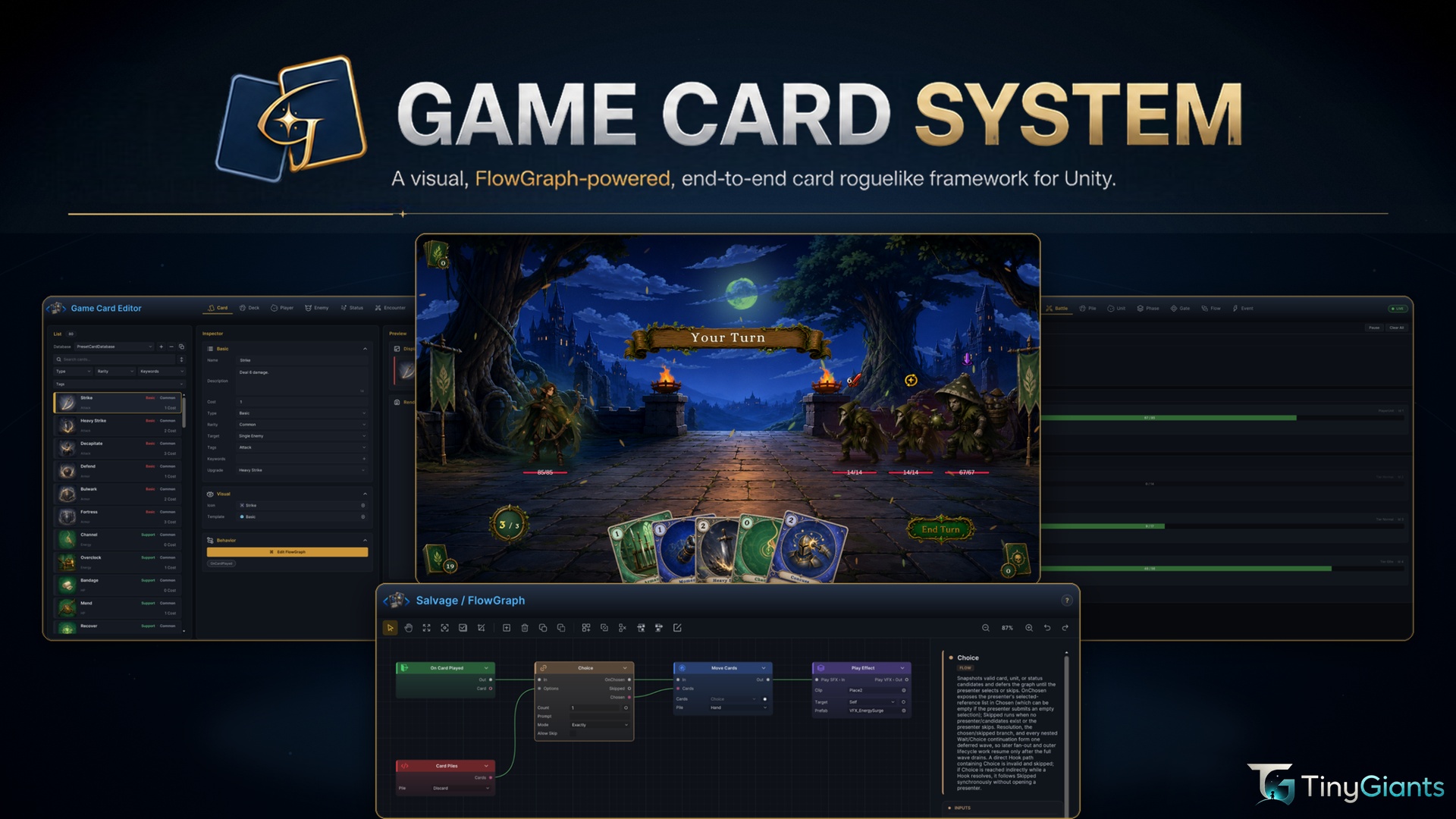
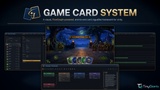
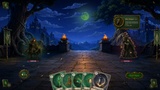
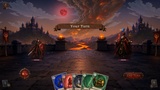
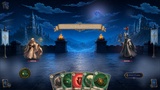
Game Card System (GCS) is a visual card roguelike battle framework for Unity. It unifies six content categories, FlowGraph gameplay orchestration, a complete battle runtime, Play Mode diagnostics, and C# extension APIs. Create cards, builds, and encounters without rebuilding turns, piles, targeting, statuses, enemy intents, or rewards.
💡 Why I Developed GCS
I created GCS while developing my own indie card roguelike. Separate scripts handled a few cards and statuses, but costs, targeting, pile rules, status stacking, Hooks, enemy intents, summoning, rewards, UI, animation, and waiting flows soon became interconnected. Small changes affected several systems, while battle tests still made failures difficult to locate.
More scripts, whether written manually or with AI Agents, do not remove that complexity. Long-term production needs a clear data model, controlled extension points, and inspectable runtime results. GCS provides that foundation so development stays focused on card design, balance, builds, combinations, and replayability. It also powers my own game.
🚀 Core Features
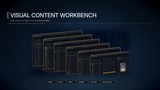
Visual Authoring Across Six Categories Game Card Editor provides Card, Deck, Player, Enemy, Status, and Encounter modes in one window. Create, search, filter, sort, preview, validate, inspect references, and use Undo/Redo without moving between scattered Inspectors and scripts.
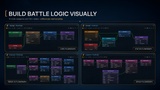
FlowGraph Gameplay Orchestration Cards, Statuses, and Enemies each use FlowGraph Behaviors. The complete Demo installation provides 147 available nodes for damage, healing, Armor, Energy, card movement, targeting, calculations, branches, loops, Hooks, enemy intents, events, VFX, SFX, animation, and waiting. Common mechanics can be built by connecting nodes instead of creating a C# type for every card.
103 Complete Mechanic Recipes The documentation includes 52 card, 30 status, and 21 enemy behavior recipes with complete connections, parameters, and runtime boundaries. Reuse validated structures and focus iteration on values and player experience.
Complete Card-Battle Runtime GCS manages the lifecycle from Battle Start through player and enemy phases to Battle End, including Energy, targeting, Draw, Hand, Discard, Exhaust, Master Deck, statuses, Hooks, delayed effects, summoning, selections, rewards, upgrades, cost changes, animation Gates, and victory or defeat. Editor Behaviors execute directly in the production runtime.
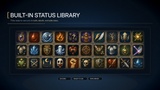
Status and Hook System Statuses combine stacking, decay, numerical modifiers, Hook interception, and independent Behaviors. They can modify damage, healing, Armor, Energy, drawing, card play, status application, and maximum hand size to create Buffs, Debuffs, counters, and persistent battle rules.
Previewable Enemy Intents Sequence, Weighted Random, HP Threshold, Once Per Battle, and Every N Turns Patterns control enemy behavior. The HUD previews the next Intent, Pattern state persists across turns, and enemies can be summoned or removed dynamically.
Real-Time Diagnostics Game Card Monitor provides Battle, Piles, Units, Phase, Gate, Flows, and Events views. Inspect execution records, waiting sources, pile changes, unit state, and event history when a mechanic fails, a card reaches the wrong pile, or a phase stops progressing.
Open C# Extension APIs GCSApi is the unified entry point for battle control, state access, content discovery, and events. GCS includes 43 built-in events, four automatic registries, and seven custom node bases: Mutator, Operator, Source, Selector, Control, Pattern, and VFX. Complete source code, templates, and runnable examples support custom UI, maps, quests, save systems, and specialized gameplay.
🤖 AI-Assisted Content Production
GCS does not bundle or require AI. It gives AI Agents the stable boundaries developers use: six content databases, FlowGraph nodes, 103 recipes, Validation, GCSApi, and Monitor records. Agents can create and configure content, combine Behaviors, adjust values, inspect references, and diagnose runtime evidence. Results remain production assets you can open, inspect, run, and modify, keeping decisions under developer control.
📦 Included Content
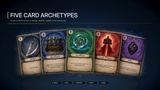
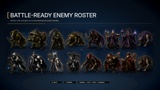
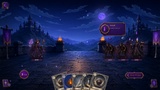
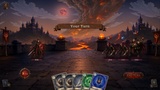
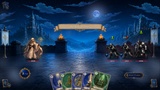
Playable content: 12 battles, 80 cards, 16 decks, 12 player units, 16 enemies, 30 statuses, 12 encounters, and 8 enemy Intent icons
Battle variety: Warrior, Mage, Hunter, and Priest class lines, each with Normal, Elite, and Boss tiers
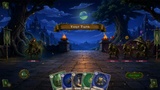
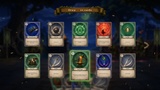
Complete flows: battle UI, hand interaction, target selection, rewards, and results
Learning resources: English and Chinese online documentation, 103 mechanic recipes, and a tutorial that creates the first battle from an empty scene
Extension resources: seven custom node template categories and seven complete runnable examples
Every Demo uses the packaged databases, Game Card Editor, FlowGraph, and production runtime. Open, inspect, copy, and modify its content as a production reference.
💪 Who Is GCS For
Independent developers and teams that need a complete card-battle foundation while keeping time and budget focused on art, content, balance, and gameplay
Designers and technical artists who want to build mechanics visually and verify their real runtime results
Programmers and AI-assisted developers who need complete source code, stable APIs, strongly typed events, custom nodes, and controlled integration boundaries
🛠 Technical Specifications
Unity: Unity 2021.3 LTS and later, including Unity 6
Render Pipelines: Built-in Render Pipeline and URP
Runtime Dependencies: None; TinyGiants TGTween is included
Source Code: Complete C# source code
Data: Six ScriptableObject database categories with GUID identification
FlowGraph: 145 core nodes plus 2 Demo FX extension nodes
API: 147 public member names across 148 public signatures
Events and Diagnostics: 43 built-in events and 7 real-time Monitor views
Extension Registries: FlowNode, CardType, CardTag, and DescriptionToken
Custom Nodes: 7 public extension base categories
GES Integration: Optional; GCS and GES work independently
📌 Product Scope
GCS covers content authoring, rule orchestration, runtime execution, and diagnostics for card roguelike battles. World maps, quests, account backends, online multiplayer, matchmaking, and project-specific save formats remain project systems connected through GCSApi or events. The Demo is a runnable implementation and source-code reference, but it does not restrict the UI, artwork, VFX, audio, or scene style of your final project.
I use GCS in my own game every day. It reduces foundational architecture work so you can focus on the content and decisions that determine your game’s quality. Tino | TinyGiants