描述
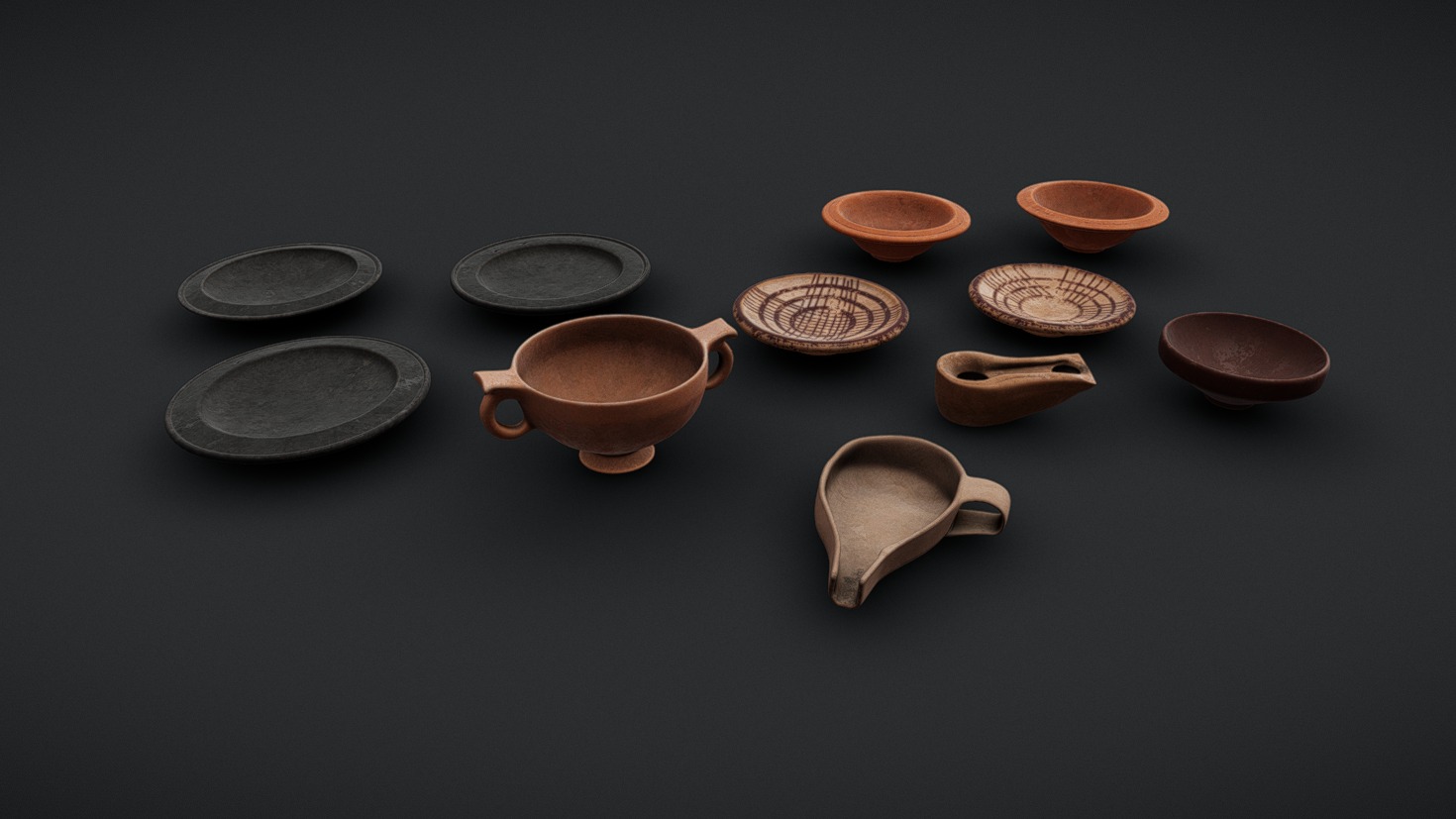
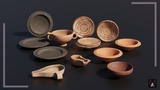
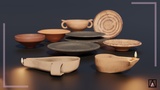
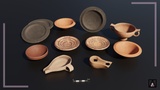
Set of Iberian pottery belonging to a grave goods found in Alcaudete (Jaén, Spain).
Pottery used as grave goods was a fundamental component in the rituals of ancient Iberian cultures and played a crucial role in the social customs and burial practices of these peoples. The grave goods are sets of objects that were placed next to the deceased in his grave, in order to accompany him on his journey to the afterlife or to ensure a suitable place in the afterlife. In the case of ceramics, the objects included in these grave goods also had a symbolic and practical meaning, since they were deposited next to the burial site and represented, in addition to the connection with daily life, the possible need for these objects to carry out rituals in the afterlife or to receive sustenance on their post-mortem journey. Among the typology of these trousseaus we find a wide variety of ceramic forms, depending on the use they were to be given; amphorae symbolized the provision of these elements in the afterlife; plates and bowls that in some cases, were associated with the ritual of food for the deceased or cups and bowls that were used to contain food or liquids. Often these types of pieces were decorated with symbolic motifs or representations of animals, people or scenes that were associated with protection or renewal or decorated with geometric, figurative or abstract motifs.