





Description
YOUTUBE 🎥
🍑Armeniaca | Armenia Vulgaris Prunus Fruit Tree – Multi-Format Asset Pack
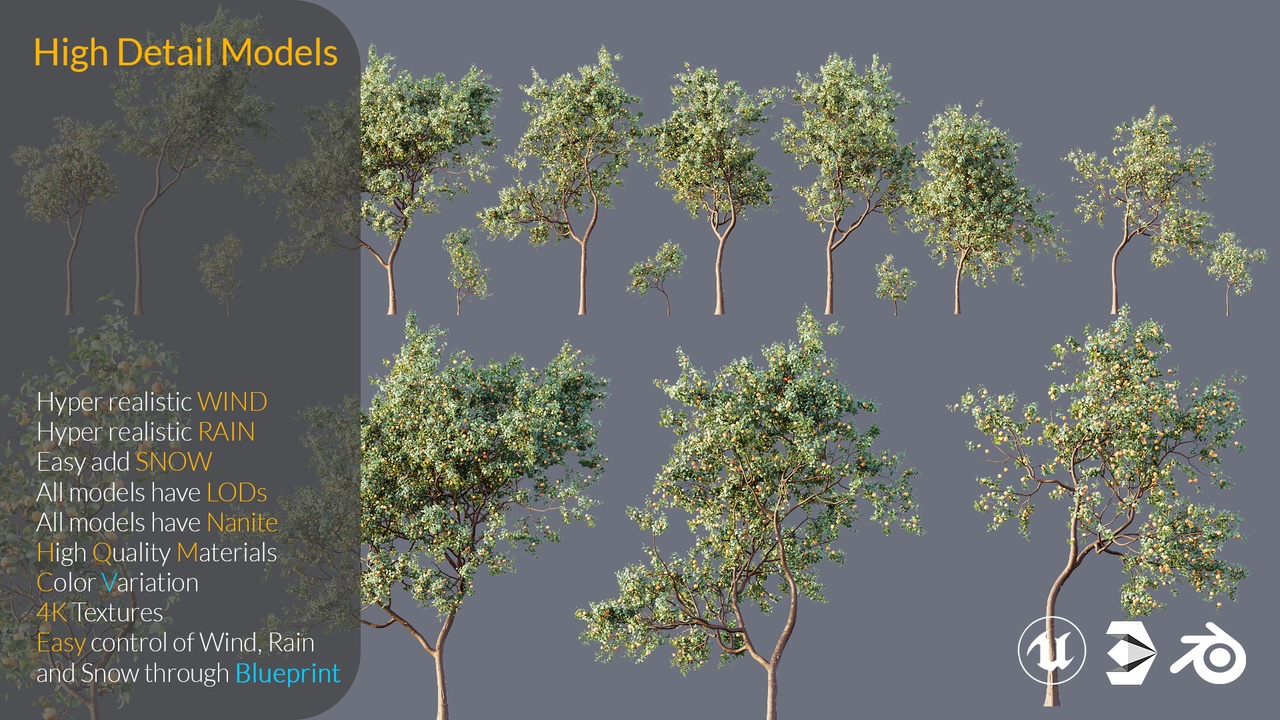
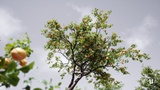
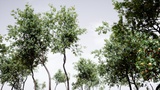
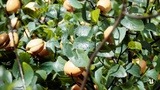
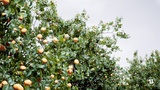
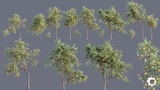
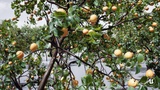
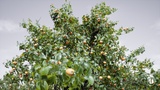
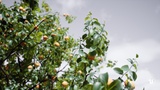
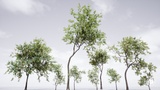
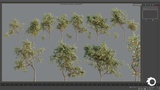
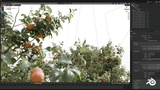
This product includes a collection of 13 high-quality Armeniaca Vulgaris Prunus Fruit Tree models, carefully created for realistic environments and professional productions.
The Unreal Engine version is fully developed for Unreal Engine 5.6, featuring advanced rendering and animation systems for real-time projects.
🟦Unreal Engine:
Compatible with Unreal Engine 5.6 and above
The Unreal Engine version is fully optimized for real-time use in Unreal Engine 5, focusing on high visual fidelity and efficient performance.
Includes:
13 unique Armeniaca Vulgaris Prunus Fruit Tree meshes
Both Nanite-enabled and non-Nanite (LOD-based) versions included for each mesh
LODs setup (LOD0–LOD3, varies per mesh)
Simple automatically generated collision
Wind & Weather System (Material-Based):
Highly realistic🍃 wind animation implemented via World Position Offset
Wind animation uses Pivot Painter 2
🌧️Rain and ❄️snow effects are implemented directly in the material system
Rain and snow are blended through Base Color, Normal, and Roughness channels
Control & Customization:
Wind, rain, and snow parameters can be adjusted via:
Material parameters (MI_FoliagWind_Weather_Control)
1 included Blueprint (BP_Wind_Weather_Controller)
The Blueprint is optional and provided as a convenience tool for quick global control
Demo Content:
Includes a OVERVIEW level showcasing all features
OVERVIEW level includes pre-built lighting
The Blueprint is placed in the OVERVIEW level and clearly marked
📘 A full setup and usage walkthrough is provided in the tutorial video.
Note:
All animations are material-based.
No skeletal meshes, rigging, or animation assets are included.• Includes both Nanite-enabled and non-Nanite (LOD-based) versions of each mesh
• Nanite is enabled by default and can be disabled per mesh if required
• All animations are material-based (World Position Offset) – no skeletal animation included
For detailed Nanite usage and limitations, please refer to the official Unreal Engine documentation:
https://docs.unrealengine.com/5.0/en-US/nanite-virtualized-geometry-in-unreal-engine/
Documentation Link:
Full setup and control process is explained in the TUTORIAL VIDEO
Only the Unreal Engine version includes animations(material-based-WPO)
Other Supported Formats:
🟩3ds Max:
Corona Renderer
V-Ray
Scanline
FBX
OBJ format
Compatible with Corona, V-Ray, and Scanline workflows
🟧Blender:
Cycles
Eevee
Texture folders are included with all formats (Max, Blender, FBX, OBJ)
Materials & Textures:
Highly realistic materials
High-quality 4K textures
Physically based and production-ready
Designed for realistic lighting and close-up rendering
🎬Use Cases:
Cinematic environments
Realistic real-time scenes
Architectural visualization
Simulation projects
Scenes that require high-detail and realistic vegetation
All models are created with a high level of detail, making them suitable for cinematic-quality and realistic productions.
About Armeniaca vulgaris (Apricot Tree Species Information)
Common names:
Apricot Tree
Armenian Apricot
Prunus armeniaca
Botanical family:
Rosaceae (Rose family)
Native regions:
Native to China and Central Asia
Historically cultivated in Armenia, contributing to its scientific name
Widely grown today in temperate regions worldwide, including Europe, North America, and parts of the Middle East
Commonly cultivated in orchards and gardens with mild to warm climates
Typical height:
Typically grows between 4–8 meters (13–26 feet)
Under optimal conditions, may reach up to 10 meters (33 feet)
Lifespan:
Average productive lifespan ranges from 20–30 years
With proper care, some trees may live longer
Growth characteristics:
Deciduous fruit tree with a rounded to spreading crown
Slender trunk with smooth bark that becomes rougher with age
Broad, oval leaves with finely serrated edges
Produces fragrant, pale yellow or white blossoms in early spring before leaf emergence
Prefers full sun for optimal flowering and fruiting
Grows best in well-drained, fertile soils with moderate moisture
Sensitive to waterlogged soils and late spring frosts
Reproduction:
Produces fragrant, insect-pollinated flowers in early spring
Fruits develop from fertilized flowers and mature in late spring to summer
Reproduces naturally through seeds, though cultivated varieties are commonly propagated by grafting
Seeds are enclosed within a hard stone inside the fleshy apricot fruit
For more high-quality assets, please visit our marketplace page.
Support
If you need any assistance or have questions about this product, feel free to contact me:
📧 Email: [email protected]