
Opis
LiDAR & Synthetic Data Toolkit provides two production-ready C++ components that generate machine-learning-ready training data directly from your scenes, no external tools, no post-processing pipeline required.
LiDAR Sensor Component
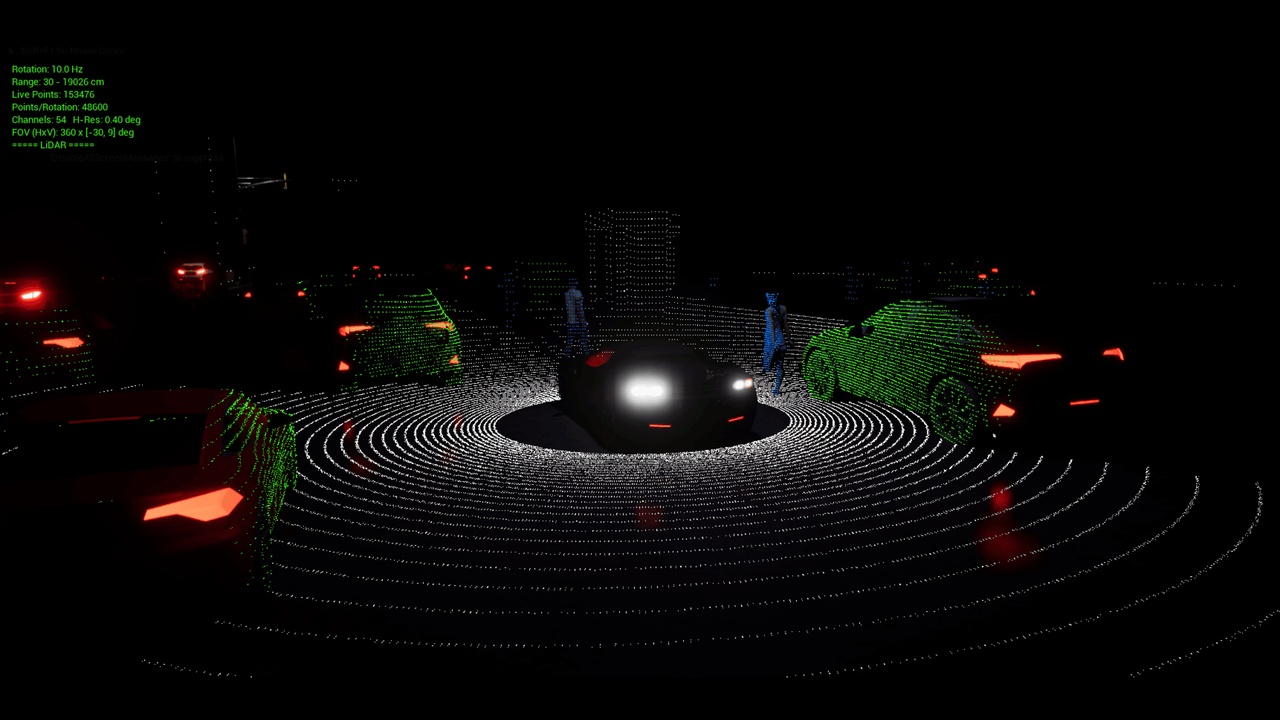
Simulate a configurable rotating LiDAR sensor using efficient line traces:
Configurable horizontal FOV (up to 360°), horizontal resolution, and vertical channel count (1–128 channels, Velodyne-style ring layout)
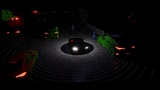
Real-time rotation simulation with adjustable frequency (Hz) — the beam sweeps over time and streams points continuously, just like real hardware
Simulated range noise for realistic sensor imperfection
Physically motivated intensity model (incidence angle + range falloff)
Min/max range clipping
Four live visualisation modes: Distance, Height, Intensity, and Channel colouring
On-screen stats HUD (points per rotation, live point count, FOV, resolution)
One-key export to industry-standard ASCII PLY with intensity and ring (channel) properties — loads directly into CloudCompare, Open3D, MeshLab, and ROS pipelines
Clean raw-scene screenshot capture with debug visuals automatically suppressed
Bounding Box Ground Truth Component
Automatically detect and annotate actors for object detection datasets:
Tag-based detection classes (e.g. "vehicle", "pedestrian", "animal") — fully configurable per class with label, color, and label draw distance
Define classes in the Details panel, at runtime via Blueprint, or bulk-load them from a DataTable
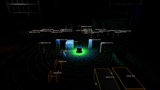
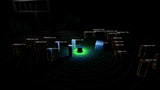
Rotation-aware oriented bounding boxes — accurate for rotated vehicles and props, not just axis-aligned approximations
Live wireframe visualisation with per-class colours and distance labels
One-key capture: saves a raw screenshot (no overlays baked in) plus a JSON file with pixel-accurate 2D screen-space bounding boxes projected from the true oriented 3D box
Sequentially numbered captures, ready to feed into YOLO/COCO-style annotation converters
Who is this for?
ML engineers generating synthetic training data for object detection and point cloud models
Autonomous vehicle/robotics teams prototyping perception stacks
Researchers who need controllable, repeatable sensor data with perfect ground truth
Simulation and digital twin developers