Description
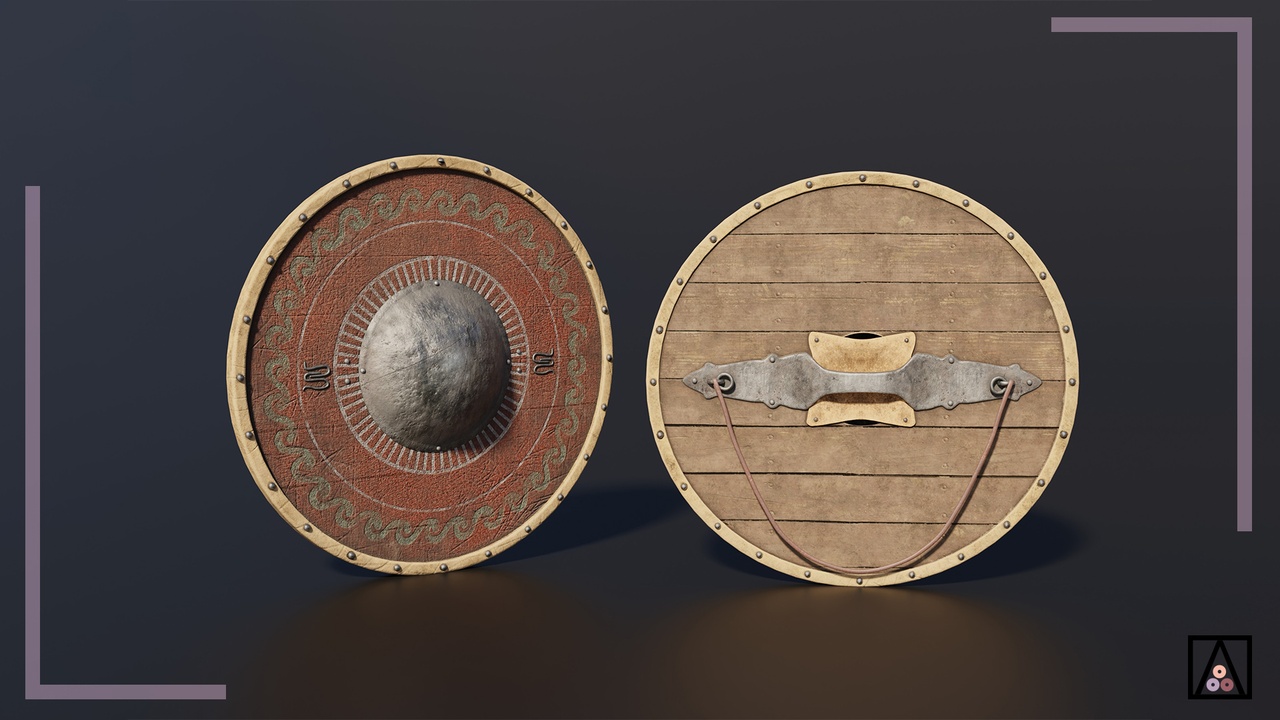
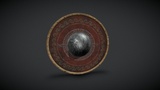
We understand a caetra to be a type of small shield, generally circular, used by Iberian warriors from the late Iron Age until their first contacts with Rome. It was usually made of light wood covered with leather and sometimes reinforced with a central metal umbo.
Unlike the large rectangular or oval shields of Celtic or Roman tradition, the Iberian caetra, with a diameter that rarely exceeded 60–90 cm, was not designed to be part of compact heavy-infantry formations. Its lightness, together with the ease of carrying it slung over the shoulder thanks to straps or internal handles, made it an ideal instrument for mobility, allowing the Iberian warrior to develop quick hit-and-run tactics.
Its simple construction, along with possible decoration with geometric motifs or identity-related symbols, reveals that, in addition to its defensive function, the caetra may have played a representative role within Iberian material culture. In the archaeological record, small-scale metal examples—sometimes in miniature—have been found in funerary contexts, which also indicates a symbolic and ritual value beyond its everyday use in warfare.