
描述
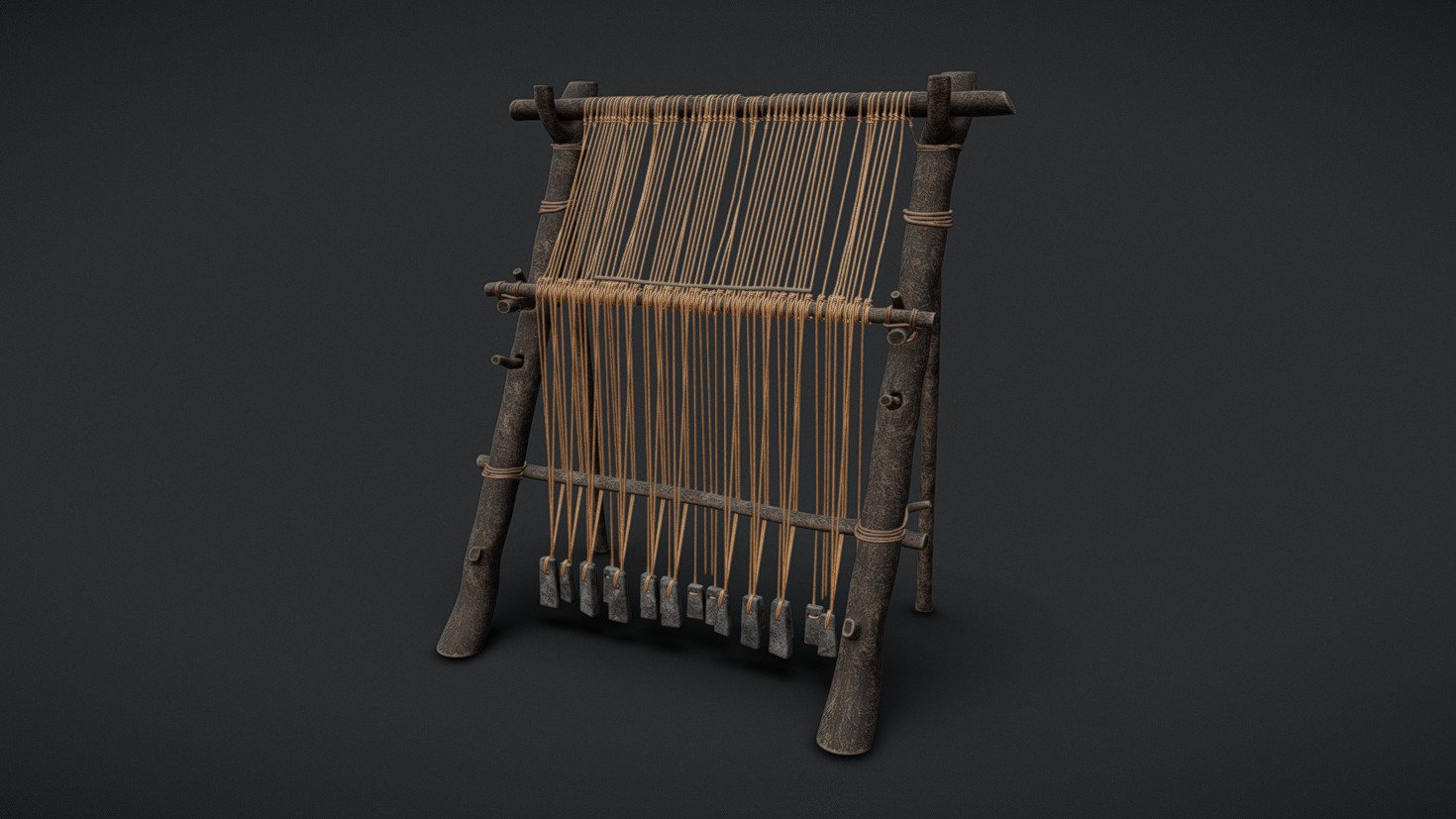
The loom in Iberian culture was one of the fundamental tools for textile production, a key aspect of the daily life, economy and cultural identity of Iberian peoples. Its production, both for personal use (clothing, blankets, tapestries) and for the creation of textiles for domestic or ceremonial use, was a very important activity in society. Textiles were not only used for clothing, but also for the creation of other useful objects such as tapestries, covers and sacks, as well as textiles associated with rituals and ceremonies. They were mainly made with linen, wool and cotton. Linen was used for finer and lighter fabrics, while wool was more common for more resistant clothing and garments. In addition, weavers mastered several techniques, including: single weft weaves: used to create plain and simple weaves. Double or complex weft weaves: these included more elaborate weaves, with different colors or decorative motifs. Weavings with geometric motifs: Iberian textiles often featured geometric patterns, reflecting a symmetry that can also be seen in other art and craft forms of the time.
Although textile remains are rare due to organic degradation, weaving tools for the creation of threads have been found, confirming the existence of a sophisticated textile production system in the Iberian culture. In some excavations, fragments of cloth or remains of dyes have also been found that provide information about the colors used by the Iberians, such as red, yellow and brown tones.