
Description
Your packaged build keeps growing. Nobody knows what's in it. Nobody knows what you could delete.
The Reference Viewer shows arrows. The Size Map shows editor sizes that have almost nothing to do with the cooked ones. Neither answers the only question that matters: if I cut this, how many bytes do I actually get back?
So you end up doing things like:
Right-clicking assets one at a time to trace references by hand
Reading .uasset sizes and hoping they mean something
Guessing which folders are safe to delete
Deleting something, cooking for 40 minutes, and finding out you saved nothing
Wondering whether an asset is even in the build at all
RefAudit replaces all of that with an answer.
What RefAudit Does
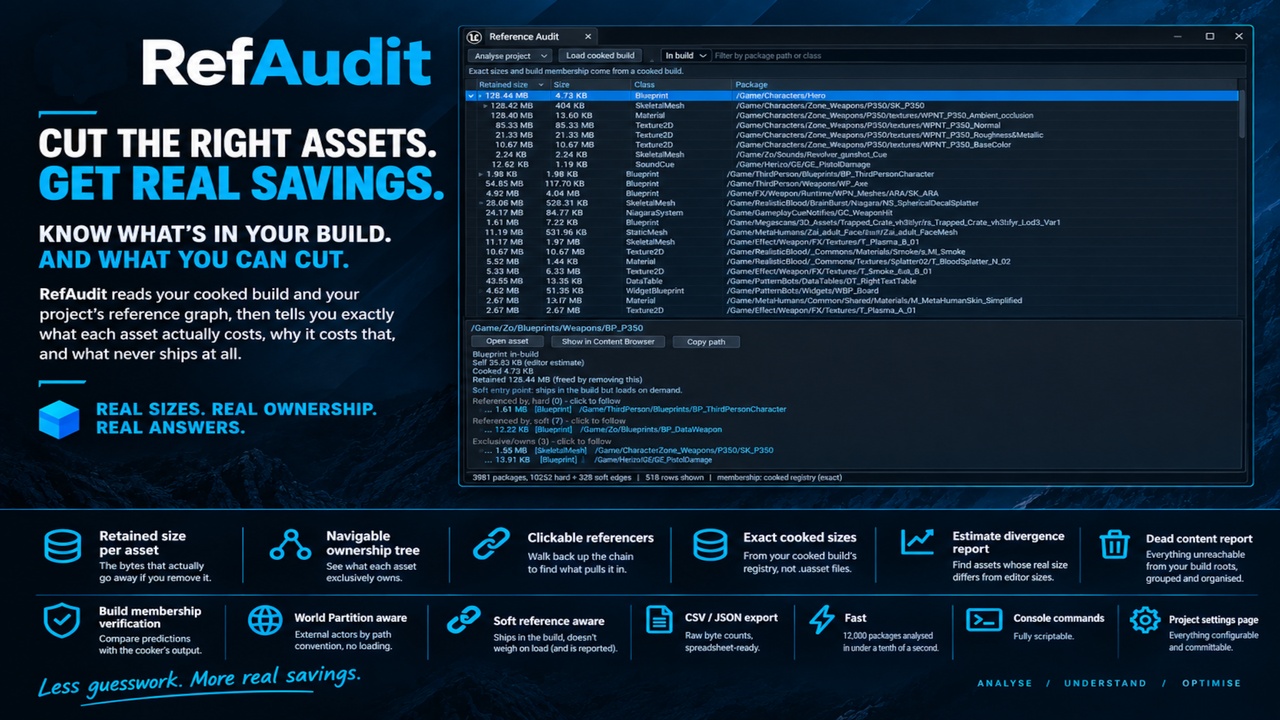
RefAudit reads your cooked build and your project's reference graph, then tells you 3 things the editor never will:
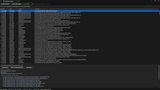
What each asset actually costs : Not what it references, what it exclusively owns. Cut it, and those bytes are gone. Everything else was shared and would have stayed loaded anyway.
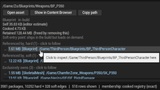
Why it costs that : Expand any row to see what those bytes are made of. Click a referencer to walk one step back up the chain that pulls it in. Keep clicking until you hit the thing you didn't know was there.
What never ships at all : Everything unreachable from your build roots, grouped so each line is one decision instead of 400 files.
Key Features
Retained size per asset : the bytes that actually go away if you remove it, not the bytes it happens to reference
Navigable ownership tree : expand any row to see what it exclusively owns, level by level
Clickable referencers : walk back up the chain to find what pulls something into your build
Exact cooked sizes : read straight from a cooked build's registry, not estimated from .uasset files
Estimate divergence report : find assets whose real cooked size is nothing like what the editor shows, in both directions
Dead content report : everything that never ships, grouped by ownership and by folder so each line is one decision
Build membership verification : score the tool's own predictions against the cooker's actual output
World Partition aware : external actors attached by path convention, no world loading required
Soft reference aware : ships in the build, doesn't weigh on load, and reported as such
CI commandlet : compare each build against a committed baseline and fail on a size budget
CSV and JSON export : raw byte counts, spreadsheet-ready, filters honoured
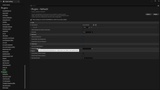
Project settings page : every default configurable and committable
Console commands for everything : fully scriptable
Fast : 12,000 packages analysed in under a tenth of a second
Zero runtime cost : editor only, never cooked into a shipping build
Built for Real Optimisation Work
Packages that grew and nobody knows when or why
Marketplace packs that dragged demo maps and authoring assets into your build
Levels that load far more than they should
Widgets and Blueprints that hard-reference entire characters
Duplicate texture sets nobody noticed
Projects where "is this still used?" has no answer
If you've ever said "I have no idea what's making this so big" , this is for you.
Who It's For
Unreal developers shipping to consoles, mobile or VR, where package size is a hard limit
Teams inheriting a project nobody fully understands
Anyone who bought marketplace packs and never audited what came with them
Studios who want size regressions caught in CI instead of six months later
Documentation Link: link