説明
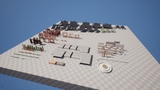
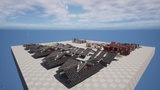
These 3D assets were produced by Korea Heritage Service as a project to build raw resources for the production and supply of Korean heritage digital contents in 2024.
For commercial use, you can mark the 'Korea Heritage Service' as the source.
KOREA HERITAGE SERVICE [KHS]
The Korea Heritage Digital Service is a service that releases various national heritage data, so that companies, regions, and the public can easily find high-quality national heritage data. It is expected to be of great help to the public as well as companies, local governments, universities and research institutes by releasing national heritage data such as 3D data, drawings, photos, reports and videos that are difficult for the public to access.
You can easily access the data by using conditional search functions such as designated items, regions, eras and production years, and also can easily check information such as 3D scanned videos and web VR contents provided by Korea Heritage Service through services such as '3D Asset' and 'Theme Contents'.
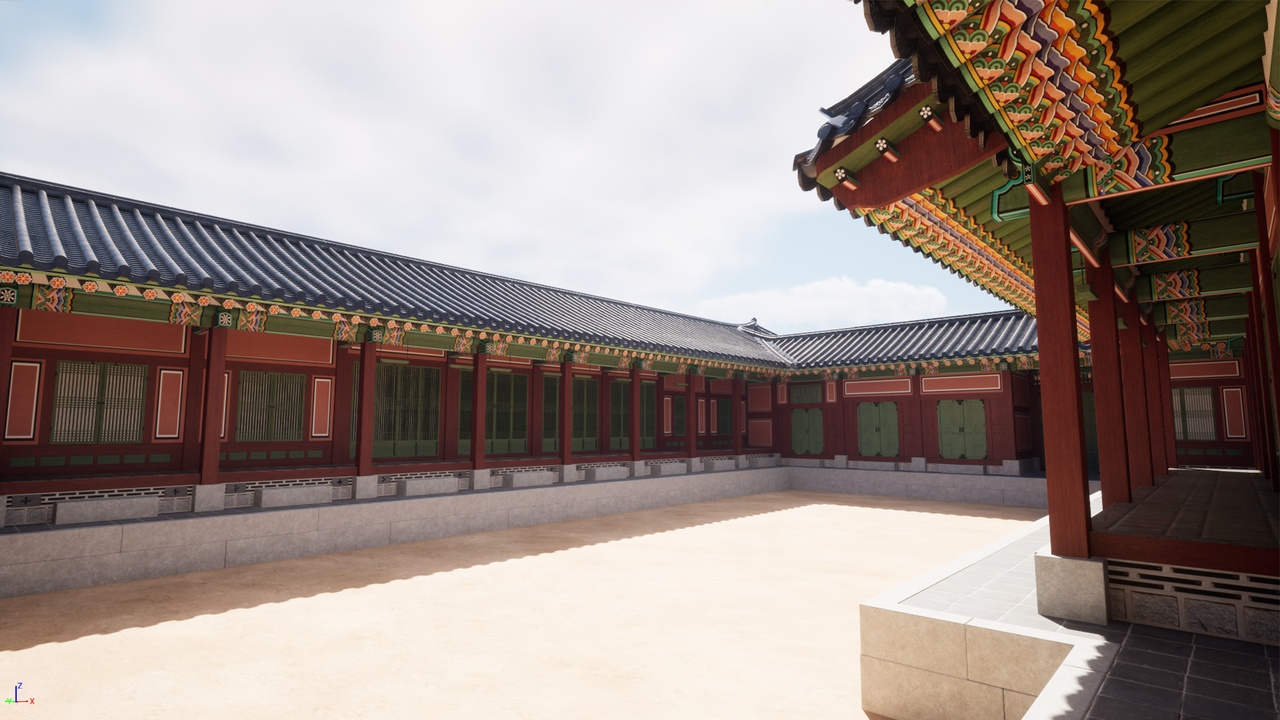
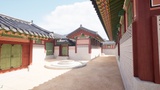
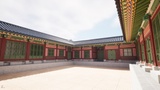
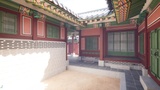
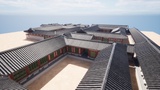
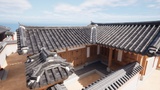
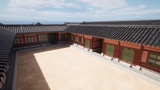
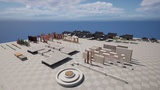
This is components of Korean Gyeongbokgung Palace; three buildings of the Jibokjae complex.
Gyeongbokgung Palace 경복궁
Gyeongbokgung Palace, the main palace in the Joseon Dynasty, was built after King Taejo, founder of the Joseon Dynasty. He had the capital moved to Hanyang during the fourth year of his reign (1395). Its name, literally meaning “great fortune,” originated with a phrase of Sigyeong (Book of Songs), quoted by Jeong Do-jeon, an eminent scholar in the Joseon Dynasty: "I've already drunk and have been full with virtue, so I will help you get great fortune in my late year as a man of virtue.”
Sojubang Kitchen
The sojubang was the main kitchen of Gyeongbokgung in which food was prepared and cooked for its royal residents. The kitchen largely consisted of three units, the naesojubang (inner kitchen) where daily meals were prepared for Joseon kings and their consorts, the oesojubang (outer kitchen) which was in charge of preparing special dishes for royal banquets and ceremonies, and the saengmulbang (confectionary) where teacakes, porridge, and rice cakes were made for the king. The original kitchen was demolished during the Japanese occupation (1910-1945). The current Royal kitchen buildings were restored in 2015.