Descripción
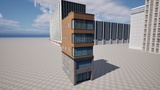
Project: Low-Poly Modular Building Model Pack (UE5.3 Optimized)
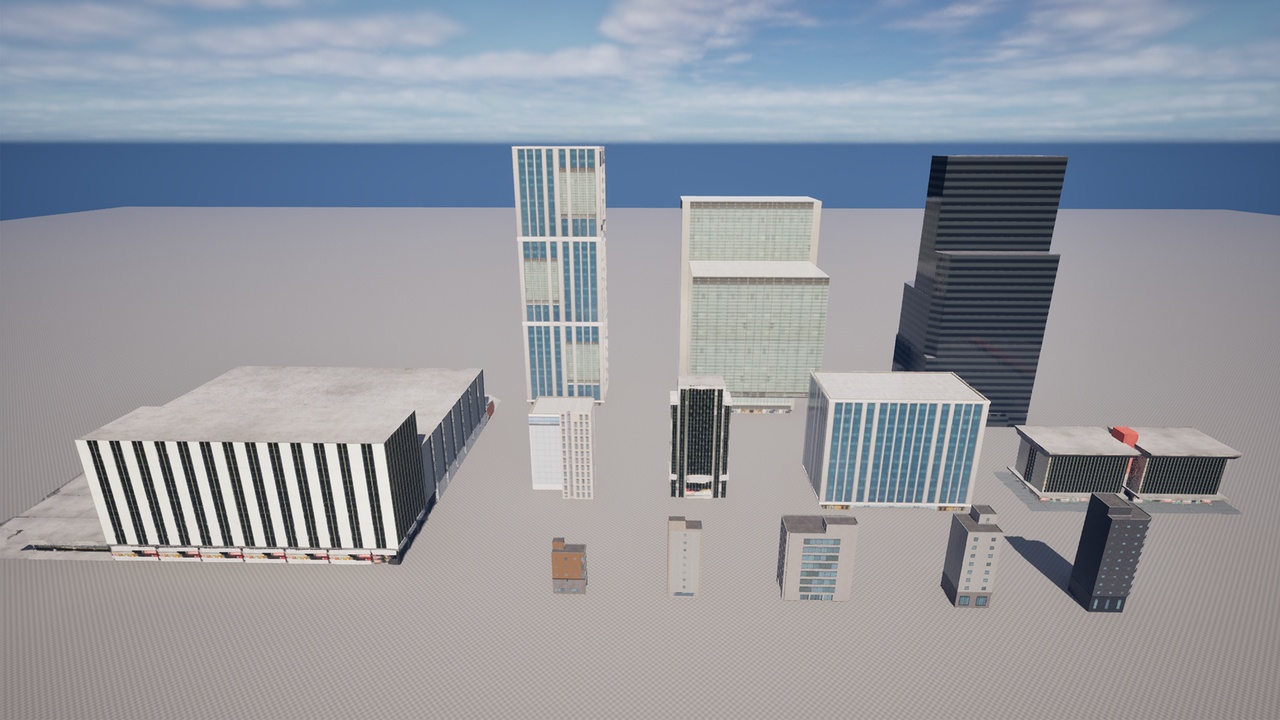
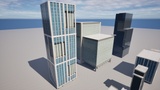
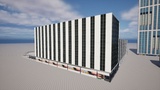
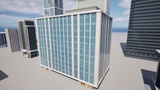
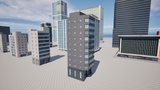
Core Concept:This is a highly efficient set of building models designed specifically for real-time rendering environments, particularly using Unreal Engine 5.3. Its core design philosophy is extreme optimization of polygon count and texture resources while maintaining sufficient visual distinctiveness, catering to the demands of large-scale city scene construction, mobile applications, or performance-critical projects.
Key Features Explained:
Radical Polygon Budget Control:
Target Range: The polygon count of individual building models is strictly controlled between 200 and 3000 triangles.
Typical Density: Most models cluster around an average of 1000 triangles. This signifies models composed of highly simplified geometry, avoiding unnecessary subdivisions, complex sculpting, and micro-detail modeling.
Optimization Techniques: Achieves a balance between visual acceptability and ultra-low poly count through clever modeling techniques (e.g., using textures for detail, simplifying silhouettes, merging coplanar faces, reducing segment counts).
Efficient UE5.3 Material & Texture Strategy:
Shared Master Materials: This is the primary highlight and core optimization strategy. A large number of different building models share the same one or few master materials (parent materials for Material Instances).
Texture Reuse: Accompanying texture resources are designed for high reusability.
Versatility: Textures used by the master materials (e.g., base wall color, normal maps for surface detail, roughness maps, AO maps) are designed to be applicable across multiple building types.
Texture Resolution Limit: With the exception of one detailed building texture at 4096x4096, all other textures have a maximum resolution of 512x512 pixels. Many detail or mask textures may be lower (e.g., 256x256, 128x128). This significantly reduces VRAM usage and disk space footprint.
Significant Rendering Performance Optimization:
Minimized Draw Calls: Shared materials are the cornerstone of optimization. When numerous buildings use the same master material (even with different instance parameters), the engine can batch their rendering commands, drastically reducing Draw Calls – a critical factor for rendering performance.
Reduced GPU Load: Low-poly models inherently exert less pressure on vertex processing. Combined with medium/low-resolution textures, this lowers texture sampling load and VRAM bandwidth pressure.
Saved Memory/Disk Space: A small number of shared materials combined with medium-resolution textures significantly reduces the project's overall resource footprint.
Enhanced Instancing Efficiency: The low polygon count and shared materials make batch rendering using Unreal Engine's Instanced Static Mesh component extremely efficient, enabling the rendering of hundreds or thousands of buildings with manageable performance overhead.
Designed for UE5.3:
Traditional Pipeline Optimization: While UE5.3 features Nanite and Lumen, this model pack is explicitly optimized for the non-Nanite, traditional rendering pipeline. It excels in scenarios requiring support for lower-end hardware (mobile devices, VR headsets, low-spec PCs) or constructing massive-scale scenes (e.g., entire cities).
Compatibility: Fully compatible with UE5.3's material editor, lighting systems (including Lumen, though low-poly geometry may yield less accurate reflections compared to high-poly), and rendering workflows.
Core PBR Workflow: Materials are typically built on Physically Based Rendering (PBR) principles (Base Color, Normal, Roughness, Metallic/AO), ensuring fundamental physical accuracy within UE5.3's lighting environment.
Target Applications:
Large-Scale Open Worlds/City Backgrounds: Distant buildings, filler city blocks, constructing skylines.
Mobile Platform Games (Android/iOS): Performance-critical environments.
VR/AR Applications: Scenarios demanding stable high frame rates.
Real-Time Visualization/Simulation: Architectural planning, traffic simulations running on standard office PCs or laptops.
Stylized Projects: Cel-shaded, Low Poly art styles for games or animation.
Prototyping/Placeholder Assets: Rapid scene blockout and prototyping.
Summary:
This Low-Poly Modular Building Model Pack exemplifies performance and efficiency prioritization. By compressing individual model geometry to the extreme (200-3000 tris, avg. 1000 tris) and employing a revolutionary shared material and texture strategy (core: many models share 1 master material + Material Instancing + Texture Reuse + Textures ≤512px except one 4K), it achieves ultra-low rendering overhead (minimal Draw Calls, low GPU/VRAM usage) within Unreal Engine 5.3. This makes it an ideal solution for constructing massive environments or creating rich urban landscapes on
performance-constrained platforms. Its value lies in enabling "quantity" (numerous visually adequate buildings) rather than the "extreme detail" of a few models, perfectly serving projects needing "many decent-looking buildings" rather than "a few ultra-detailed ones".