Description
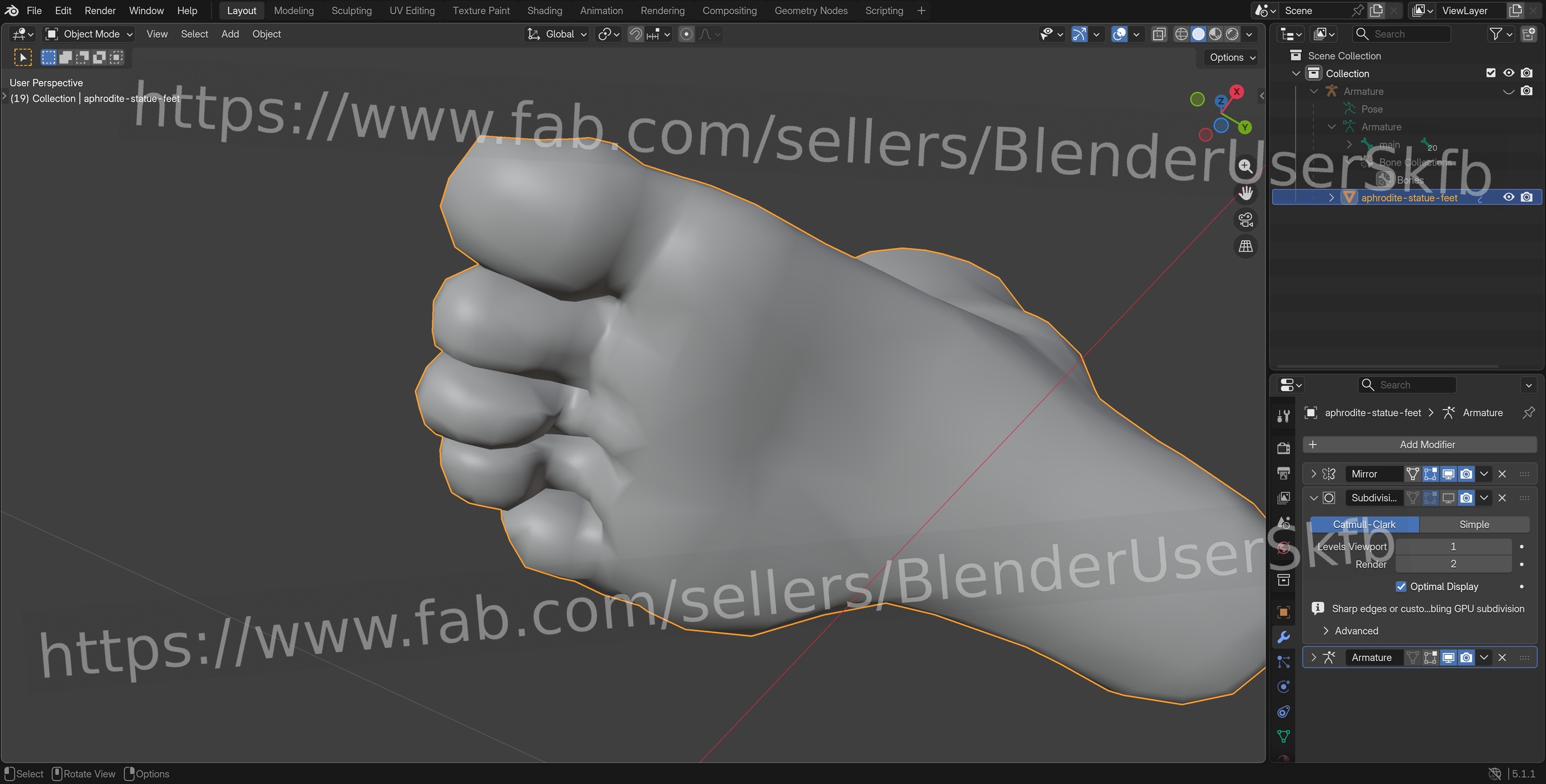
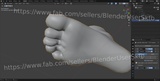
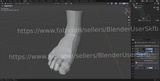
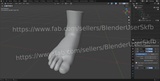
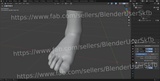
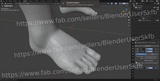
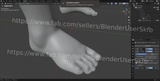
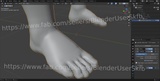
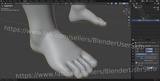
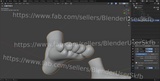
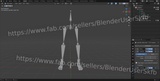
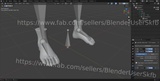
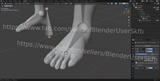
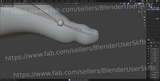
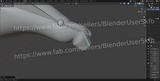
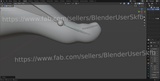
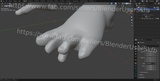
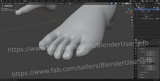
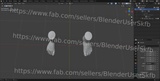
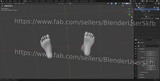
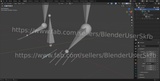
This asset contains two manually modelled feet based on the Aphrodite of Knidos type, specifically referencing the version at the Palazzo Altemps in Rome. One foot was created from scratch and the second is a mirrored version. Both feet are fully rigged and ready for posing, animation, and integration into real‑time or offline pipelines.
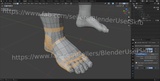
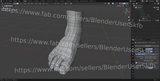
The proportions follow a fuller, slightly overweight classical female form with soft, puffy anatomical features. The topology is clean, all quads, and subdivision friendly. The mesh is lightweight, efficient, and easy to edit. Toes use an 12‑vertex layout. The backside of each foot is fully modelled so there are no holes or missing surfaces.
The model is manifold and watertight. An STL is included for 3D printing. This model uses vertices only where they are needed, and it will not crash your 3D printer’s slicing software.
Key features:
• Manually modelled classical female feet with fuller proportions
• Clean quad topology suitable for subdivision and deformation
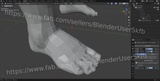
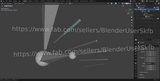
• Fully rigged toes and ankle for posing and animation
• Lightweight mesh that edits quickly and performs well in real‑time engines
• Watertight STL suitable for 3D printing
• No scan noise, no random vertices, no broken geometry
• Backside fully modelled for complete, closed surfaces
Use cases:
• Character kitbashing where a clean, ready foot removes the need to sculpt and retopologize from scratch
• Replacing broken statue parts in digital reconstructions or visualizations
• Environment compositions such as ruins, temples, and archaeological scenes
• Animation and posing using the included rig
• 3D printing for decor, prototypes, or restoration mockups
Why use this instead of a 3D scan of an actual statue:
• Clean, predictable topology that rigs and poses correctly
• Easy to modify without slowing down or crashing software
• No dense triangulated geometry
• No missing surfaces or damaged areas that require repair
• Suitable for animation, LOD generation, and real‑time engines
• Consistent, controlled geometry instead of irregular scan data
This asset prevents professionals from spending hours modelling a foot from scratch. It provides a clean, reliable, production ready solution that integrates smoothly into modern workflows.
Most 3D modellers use a single bone for all fingers, but this model includes separate bones for each finger making them individually articulated, which is hard to find on the internet.
If you’re replacing a statue’s missing foot and want the most realistic result, start by adjusting the bones to match the pose. Once the pose looks right, apply the armature modifier, switch to mesh edit mode, and make the final adjustments manually by pushing the vertices into place. It’s perfectly fine to add a subdivision layer and refine the subdivided mesh to create smaller details like tendons. If you’re not aiming for extreme realism, simply posing the bones is usually enough.