الوصف
Documentation | Blueprint example: Yardrush | C++ example: Railhead | Discord
Gantry is an experience framework for Unreal Engine. It grew from heavy inspiration from the experience system in Epic’s Lyra sample, reimagined as a modular and clean standalone plugin for any project. Your main menu, each game mode and each map’s setup becomes an experience: a data asset that lists what it needs. Gantry loads it in stages, switches between experiences without unloading what they share, and drives everything around them: game features, loading screens, settings, input, UI and multiplayer. All of it works from Blueprint or C++.
Who it’s for
Teams building a game with several modes, maps or menus who want them as data, not as a tangle of game mode subclasses and level Blueprints.
Lyra users who want its experience system in their own project, without building on the whole sample game.
Projects that plan DLC, live content or mod support later and want one path for all of it.
Not for you if
You want a finished game template, characters, weapons or art. Gantry is the structure your game runs on; your game supplies the content. The two example games show what that looks like in practice.
The experience system
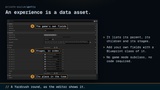
Experiences are data assets. Each one lists its stages, its parent and children, and your own fields: add them with a Blueprint class of the experience. No game mode subclass, no code required.
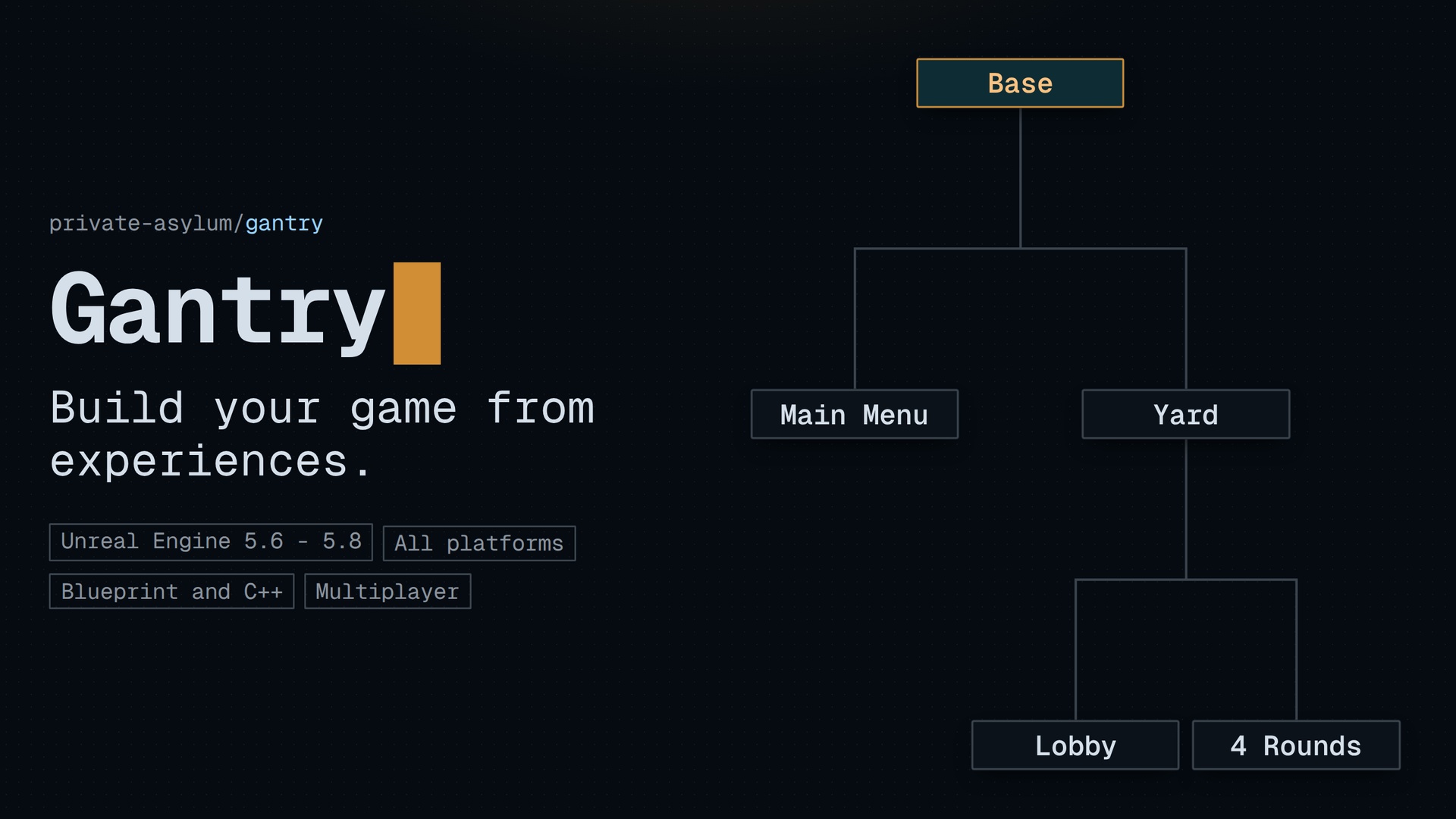
A tree, not a pile. Experiences form a tree (base, menu, lobby, each round) so shared setup lives once, in the parent, and runs first.
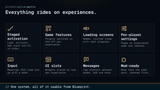
Staged activation. Each experience runs its stages in order: load assets, switch on game feature plugins, add input, settings pages and UI. Write your own stages in Blueprint or C++.
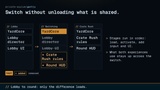
Clean switching. Moving from lobby to round loads only the difference; what both experiences use stays up.
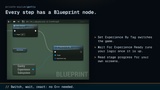
One node to switch, one to wait. Set Experience By Tag switches the game; Wait For Experience Ready runs your logic once everything is up.
Everything that rides on it
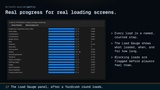
Tracked loading. Every load is a named, counted step, so your loading screen can say “Loading the arena (37/120)” and knows when to appear. The Load Gauge editor panel shows what loaded, when and for how long, and flags blocking loads.
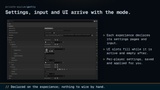
Per-player settings. Settings pages an experience adds while it is active, saved and applied for you. You build the screen in UMG; Gantry supplies the values.
Input. Enhanced Input mappings that come and go with a mode.
UI slots. Widgets placed by tag into slots your HUD declares, filled while an experience is active and emptied after.
Messages. Gameplay events on gameplay-tag channels, so a mode, its HUD and anything else can talk without referencing each other.
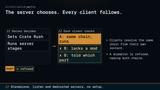
Multiplayer. The server chooses the experience; every client resolves the same chain from its own content, or is refused with both chains named. Works in standalone, listen-server and dedicated-server games with no setup.
Mod-ready by design
DLC, live content and mods all take the same path: a pack’s experience attaches to the tree or extends one, and Gantry checks it before anything of it loads, including collisions and multiplayer matching. How your players get mods (Steam Workshop, mod.io or a folder) stays your choice.
A new way to think about experiences
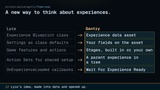
Coming from Lyra? You already know the idea. Lyra’s experience Blueprint classes become data assets, class defaults become your fields, action sets become stages and parent experiences, and CallOrRegister_OnExperienceLoaded becomes Wait For Experience Ready. The docs map each Lyra term across.
What’s included
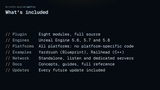
The Gantry plugin, eight modules, full C++ source.
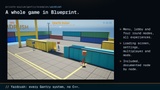
Yardrush, a complete example game made purely in Blueprint: a menu, a lobby and four round modes, all experiences, with a loading screen, settings, multiplayer and example mods. Every asset is commented.
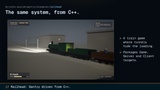
Railhead, an example game in C++, where tunnels hide the loading. Packages Game, Server and Client targets.
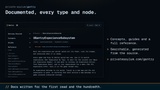
Documentation: concepts, guides and a full reference for every type, node and setting.
Technical details
Engines: Unreal Engine 5.6, 5.7 and 5.8. Gantry supports the three latest engine releases.
Platforms: every target platform, with no platform restrictions; the runtime has no platform-specific code. Develop on Windows, Mac or Linux.
Updates: every future update included. Each update comes with a changelog.
Blueprint and C++: every extension point can be subclassed in Blueprint, and every asynchronous call has a Blueprint node.
Engine plugins used: Game Features and Modular Gameplay (both marked Beta by Epic), Enhanced Input and Gameplay Tags. Gantry enables them for you.
No third-party software.
Support
Questions and bug reports: the Discord support forum, or [email protected]. The documentation covers every concept, with guides for a game mode, a loading screen, a settings screen and your first mod.