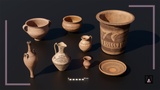
Description
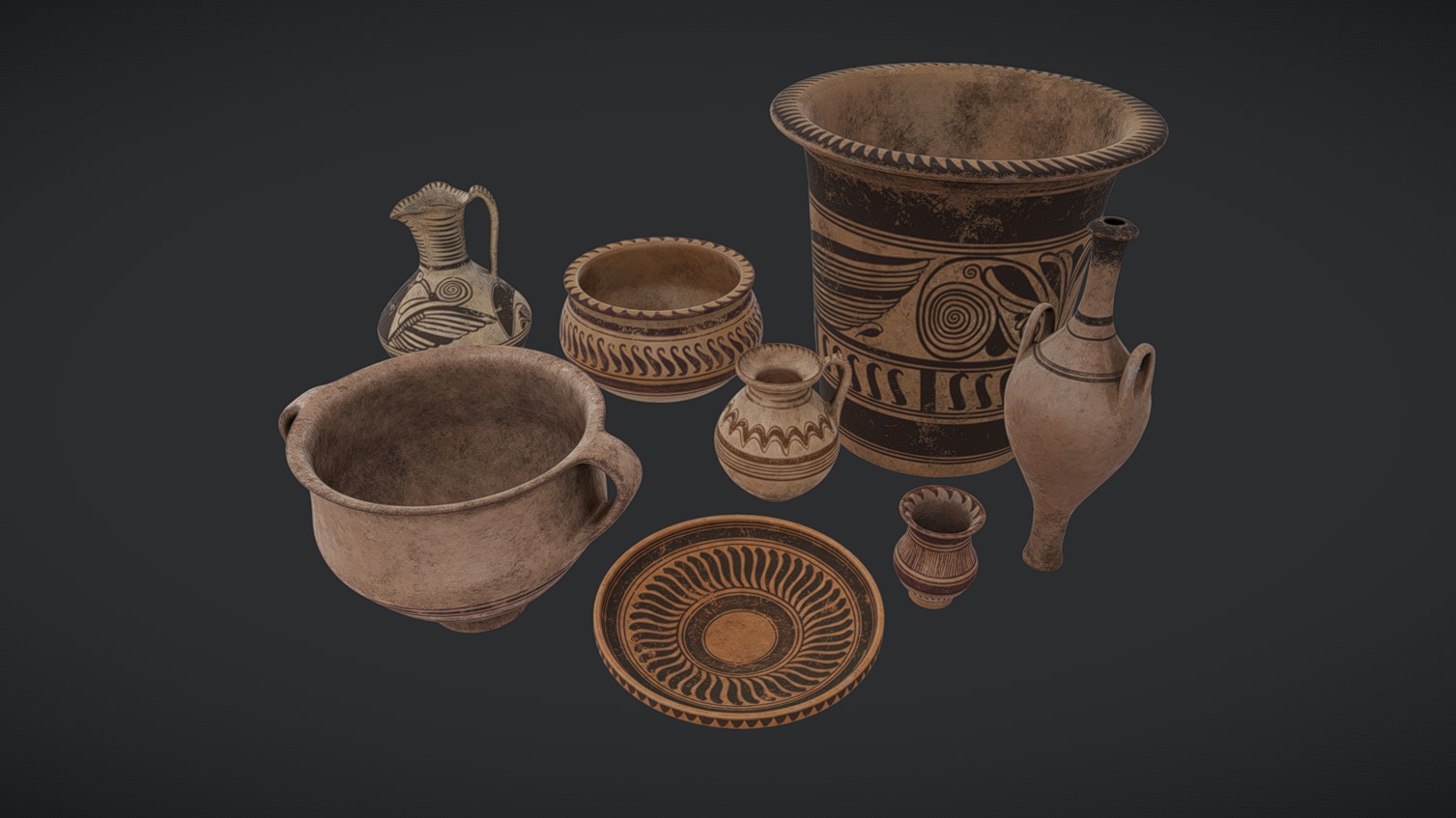
Decorated pottery is one of the most representative elements of the Iberian culture of the Iberian Peninsula, which developed between the 6th and 1st centuries BCE.This type of pottery is known for its variety of shapes, decorative techniques, and symbolism. Among its typological varieties, it includes a wide range of vessel and utensil forms, such as amphorae, jars, bowls, plates, unguentaria, and more. Each shape had its own function within the daily and ritual life of Iberian communities.
Its decorative motifs include geometric patterns such as circles, wavy lines, zigzags, or spirals; figurative motifs like animals, plants, or people, often with ritual symbolism; and abstract motifs, as Iberian pottery also features a significant number of abstract elements that may have unknown religious or symbolic meanings.
It is important to note that this pottery did not serve merely a utilitarian purpose for everyday use—it also played a role in funerary and social practices. Decorations, especially in funerary contexts, were often a means of displaying status or paying homage to the gods. Moreover, some decorated pieces were used in banquets or consumption rituals, which also highlights their importance in social relationships.