Opis
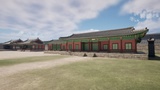
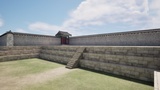
These 3D assets were produced by Korea Heritage Service as a project to build raw resources for the production and supply of Korean heritage digital contents in 2025.
For commercial use, you can mark the 'Korea Heritage Service' as the source.
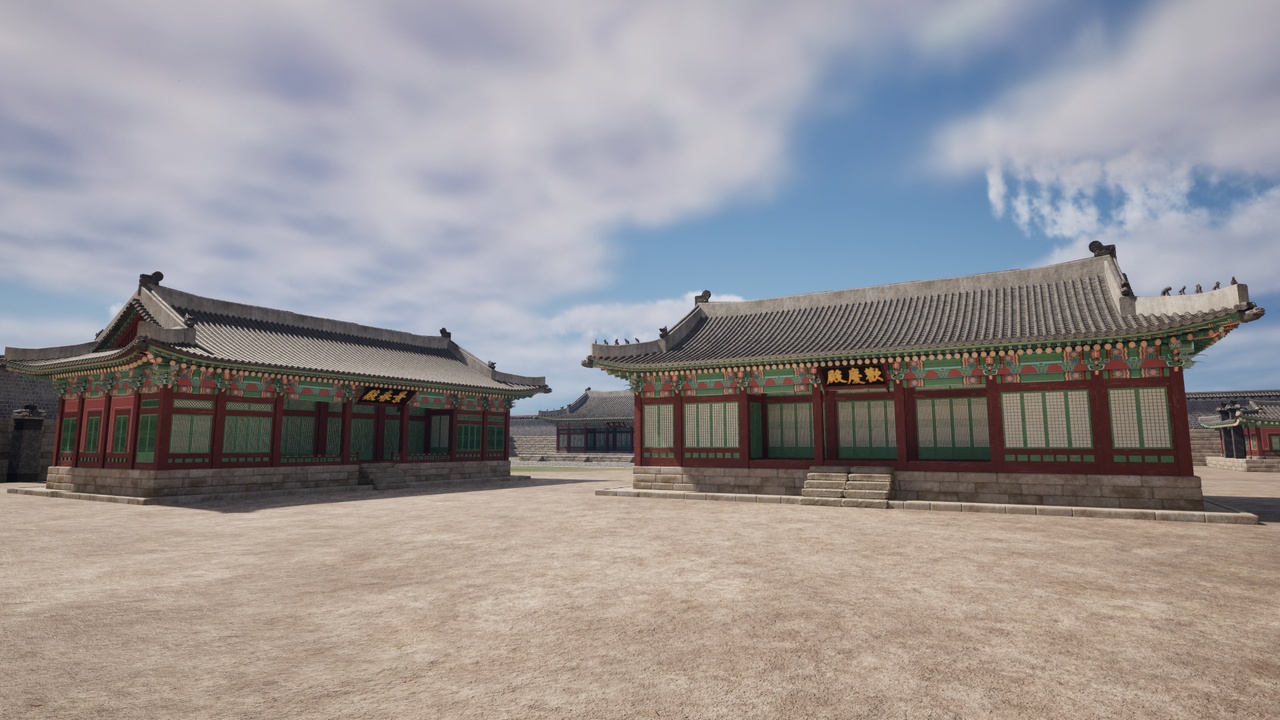
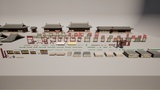
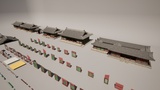
As a palace in the Joseon Dynasty, Changgyeonggung was built at the Suganggung Palace Site where King Taejong stayed. Seongjong had it built for Queens Jeonghui, Sohye, and Ansun in his 14th year (1483). In the beginning, there were halls like Myeongjeongjeon and Munjeongjeon; sleeping quarters like Suryeongjeon, Hwangyeongjeon, Gyeongchunjeon, Inyangjeon, Tongmyeongjeon; and the other buildings like Yanghwadang, Yeohwidang, and Saseonggak. These were the only palaces facing the east among the palaces in the Joseon Dynasty. Changgyeonggung Palace was rarely used in the beginning, but it served as one of the main palaces for the Royal Families, after it was burnt down together with the Gyeongbokgung and Changdeokgung Palaces during the Japanese Invasion of Korea in 1592 and restored along with Changdeokgung. Concubine Jang, who was loved by King Sukjong but was sentenced to death later due to her attempt to poison Queen Inhyeon, stayed in Chwiseondang Hall in this palace. King Yeongjo had the Crown Prince Sado confined in the rice chest in Seoninmun Gate of this palace for 8 days, leaving him to starve to death. Changgyeonggung Palace has been modified drastically since Sunjong became the emperor. In 1909, the Japanese demolished Changgyeonggung and placed a zoo and a botanical garden instead. It was once called Changgyeongwon. In 1983, it got its name back when the repair work started. Many kings including Jangjo (Crown Prince Sado), Jeongjo, Sunjo, and Heonjong were born here. The main gate and hall were rebuilt by King Gwanghaegun and are still preserved. Along with Changdeokgung, it was deemed a valuable resource to study the history of the palace of the Joseon Dynasty.