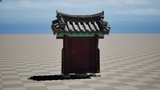
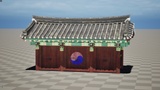
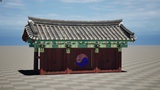
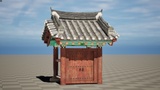
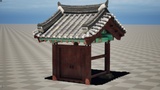
Descripción
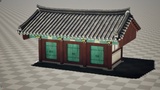
The Hyanggyo was a state-run secondary educational institution during the Joseon Dynasty, established and operated with local government funding. It served multiple purposes: offering Confucian education to students, conducting ancestral rites for Confucian sages, and promoting cultural and social development in local communities.
The Dongnae Hyanggyo is believed to have been founded in 1392, during the first year of King Taejo’s reign, as part of a nationwide initiative to promote education. However, it was destroyed during the Japanese invasions of Korea when Dongnae Fortress fell. In 1605, during the reign of King Seonjo, Dongnae Governor Hong Jun rebuilt it. After being relocated several times, the Dongnae Hyanggyo was finally moved to its current location in 1813, during the reign of King Sunjo.
According to the Gyeongguk Daejeon (National Code), when Dongnae received the administrative status of "Bu," the Dongnae Hyanggyo had one instructor of the sixth rank and 70 students. To support its operation and maintenance, seven plots of farmland were allocated to the institution.
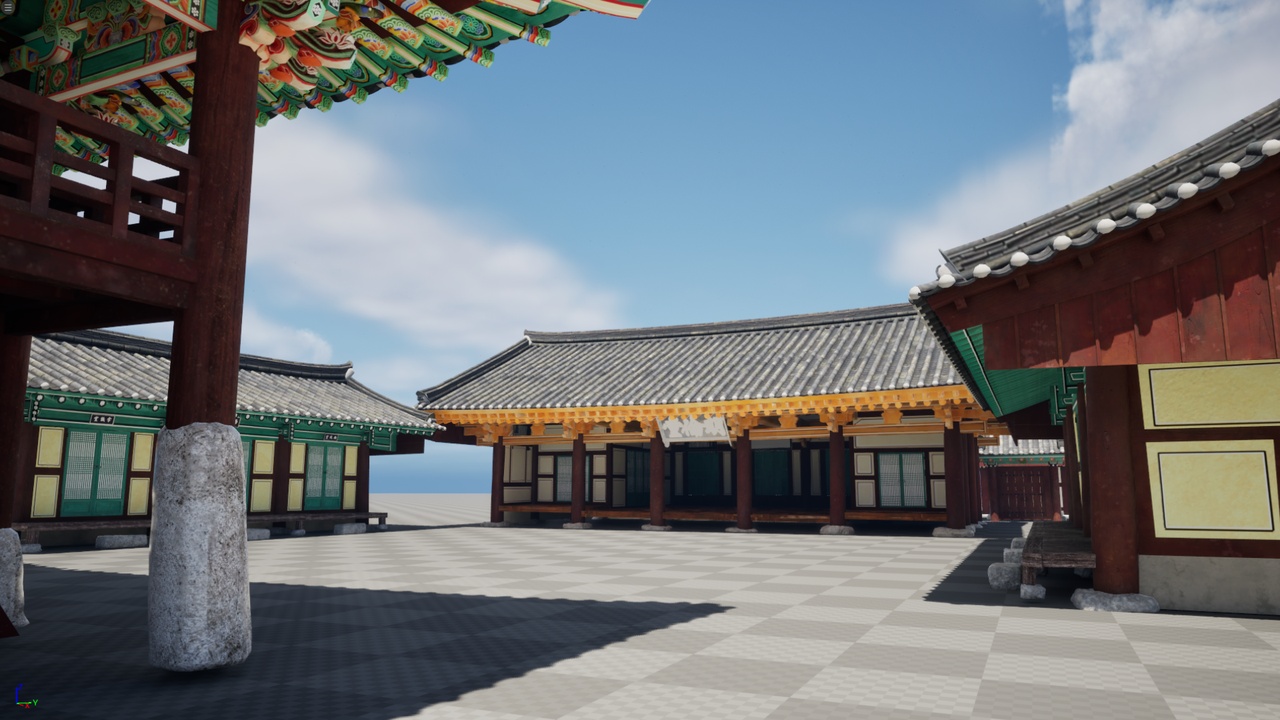
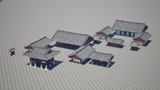
The layout of the Dongnae Hyanggyo is divided into two main sections:
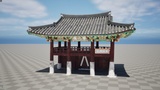
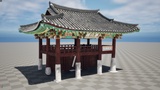
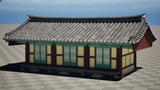
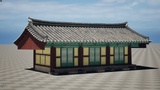
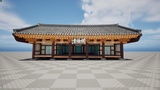
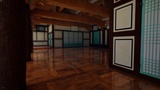
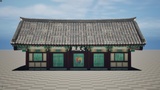
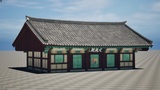
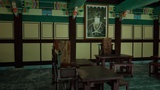
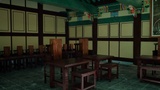
The Educational Area: This includes the main lecture hall, student dormitories for east and west wings, and a central pavilion.
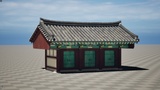
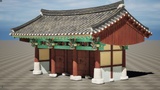
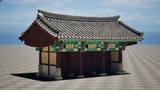
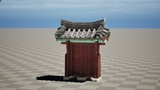
The Ritual Area: This houses the main shrine where memorial tablets of Confucius and other Confucian scholars are enshrined, along with additional shrines, gates, and a courtyard.
The main shrine enshrines Confucius alongside seven prominent Chinese scholars and 18 notable Korean Confucian scholars. Every year, on the first day of the second and eighth lunar months, a grand ritual known as the Seokjeon Daeje is held by local Confucian scholars to honor these figures.