Açıklama
Localization breaks quietly. A translator drops a {placeholder}, a plural form is wrong for the language, a source text changes and the old translation stays, a widget text was never marked as localizable, a Japanese text shows boxes because the font has no such characters, and Gather fails because of a missing engine manifest. Players find these problems; the Localization Dashboard does not.
ta Dragoman is an editor tool on top of Unreal's own localization pipeline. It shows every text of your localization target with its translations and what still needs work. It checks translations and assets for the mistakes that ship, repairs a broken gather setup in one click, and gives translators packages with context in the format they use. It imports their files only after you have reviewed every change. Everything is written to the standard manifest, archive and locres files, so the Localization Dashboard, your PO tools and your packaged game keep working as before.
Personal license $19.99 for buyers with up to $100,000 USD in gross revenue in the last 12 months, Professional license $49.99 above that. Both give the same rights (see the Fab EULA).
Features
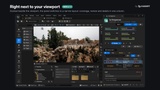
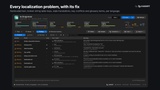
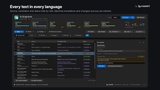
One view of every text: coverage per language, a table with key, source, translation and status (translated, missing, changed, machine), filters, sorting and search, and a click through to the asset of a text (texts from C++ show their source file and line).
Translation checks:
lost or extra {placeholders};
Unreal's own format validation for each language, including plural forms the language does not have;
broken rich text tags;
leading and trailing whitespace;
text longer than its limit or much longer than the source;
characters none of your UI fonts can draw (read from the fonts' character maps);
glossary terms;
names that must not be translated.
Changed source texts: translations made for an older source are listed next to the text they were made for. Keep them for the new source with one click, for one text or a selection.
Hardcoded and lost text:
culture-invariant texts in widgets, Blueprints, data tables and data assets;
To Text (String) conversions;
broken and unused string table entries;
texts saved after the last gather;
assets the gather never sees, including anything in Content/Localization.
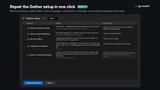
Setup checks with one-click repair:
target dependencies whose manifest is missing (some engine installs ship without Engine.manifest, and the default Game target depends on it), dependencies on targets that no longer exist, missing additional manifests;
nothing to gather: no source folders, no content paths, no native language, no target at all;
a target the game never loads, and languages missing from Localizations to Package;
key conflicts and translations changed after the last compile.
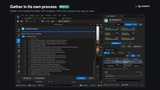
Gather in its own process with progress, a live log with errors and warnings marked, hints for known errors and saved logs.
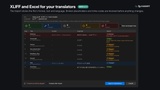
Translator packages, one file per language: CSV, an Excel workbook (opens directly in Excel, LibreOffice and Google Sheets), PO (Poedit, Crowdin, Lokalise), or XLIFF 1.2 / 2.0 for translation tools (Crowdin, Lokalise, Phrase, memoQ, Trados). Each text comes with its context, a note and maximum length, the glossary terms it uses and a translation memory suggestion. In XLIFF, {placeholders} and tags are protected inline codes. A README for translators is included.
Reviewed imports: CSV, Excel, PO and XLIFF files, also PO files exported by the Localization Dashboard and XLIFF files from translation tools. You see every new and changed translation first. Rows with broken placeholders, tags, patterns or inline codes are skipped. Rows translated for an older source go in as changed, and texts the tool marks for review go into the review queue.
Glossary, translator notes and translation memory in plain project files you commit with your project. The memory keeps every translation it has seen, even after the source changed, and fills repeated texts.
Pseudo-localization in one click: a pseudo language with accented, 35% longer, bracketed text, compiled and ready to preview in the editor or with -culture=en-XA. Spot cut-off, concatenated and hardcoded text before translators start.
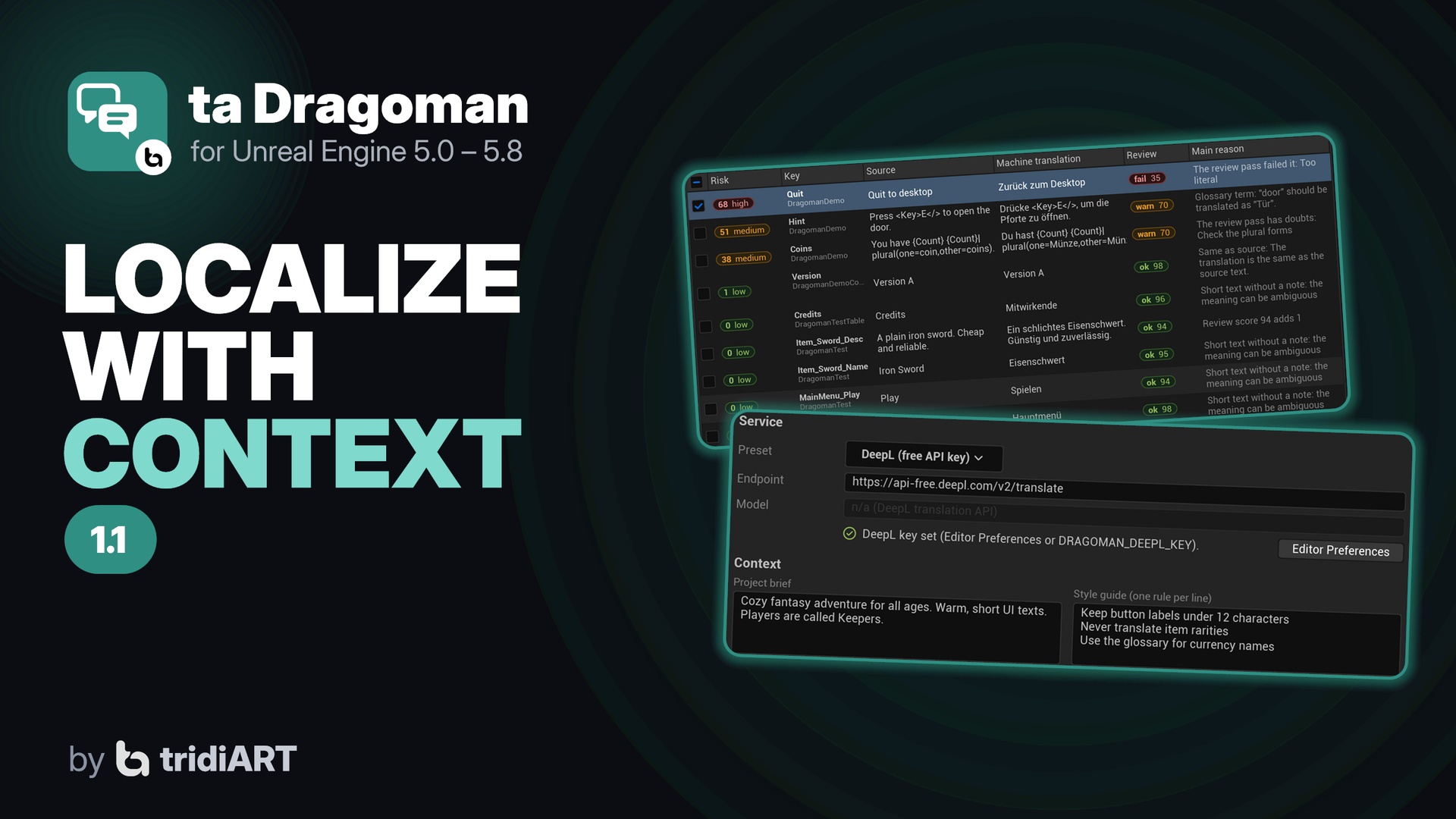
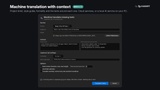
Optional machine translation with context: DeepL or the AI service of your choice, in the cloud or running locally, with your own key. Presets fill in the address and model.
Only missing texts are sent, each with where it is, its note and maximum length, the texts around it with their translations and a memory match.
A project brief, a style guide, formal or informal address and notes per language, and your glossary terms go with every request. With DeepL they go as context and custom instructions, and your glossary can become a DeepL glossary.
Answers with broken placeholders, tags or plural forms are dropped. Results are marked for review and never replace a translation somebody made.
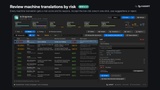
Review queue: machine translations sorted by risk, with the reasons (findings, plural forms, length, short texts without context). An optional review pass by an AI service adds a verdict, a score, the issue and a better translation. Accept the low-risk ones in one go, take a suggestion, edit or reject.
Compile from the panel. Compiling runs in the editor, so new translations show right away.
Data Validation reports hardcoded text and broken string table references when assets are saved or validated.
CI commandlet: exit codes, culture filters and an option to ignore missing translations while they are still coming in. It writes HTML and JSON reports and can also repair the setup, gather, export packages, import files, build the pseudo language, machine translate and run the review pass.
Python and Blueprint API for your own pipeline.
How to use
1. Set up a localization target in Tools > Localization Dashboard (languages and gather paths), or let Repair gather setup create one. ta Dragoman uses the target called Game by default.
2. Open ta Dragoman from the Tools menu (tridiART section) and click Scan (and Gather if the target was never gathered). If the setup would make Gather fail, Repair gather setup fixes it.
3. Pick a language: To do shows what is missing or changed, Problems shows broken translations. Edit a translation in the details, or use a memory suggestion.
4. Translators writes a package (CSV, Excel, PO or XLIFF); Translators > Import translations brings it back after a review.
5. Compile, then preview the language in the editor (Editor Preferences > Region & Language > Preview Game Language) or in the game.
Supported
Unreal Engine 5.0 to 5.8. Editor plugin for Windows, Mac and Linux; nothing of it is packaged into your game. C++ source included.
Network use: only machine translation and the review pass talk to the network, only to the services you configure, and only when you start them. No account, no telemetry, nothing goes to tridiART.
Documentation: https://www.tridiart.com/docs/dragoman/
Support: https://www.tridiart.com/contact/