
説明
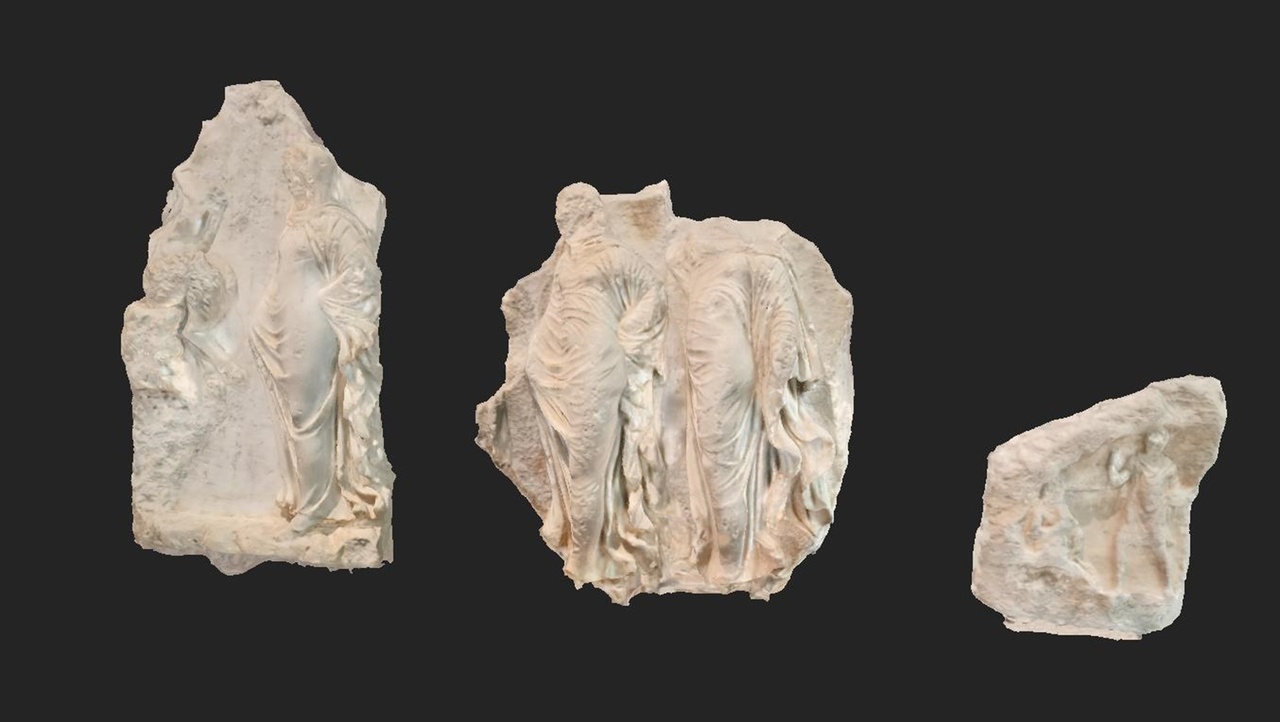
Three Fragmented Panels of the Sacrificial Relief of Pan and Nymphs
The Acropolis Museum - Slope Exhibition Hall, together with the previous group of Dionysus Menades relief sculptures, belongs to a set of marble offerings unearthed from the Acropolis slope.
Basic Information
- Name: Votive Relief, depicting Pan and Nymph
- Period: Late Hellenistic, late 2nd century BC - early 1st century BC
- Material: Pentelic marble
- Discovery: North slope of the Acropolis, Cave of Pan and the Nymphs (a sacred cave dedicated to Pan and Nymphs)
- Type: Votive Offering Relief, a marble slab offered by ancient Greek believers as a vow and fulfillment of their vows to the gods
Analysis of the Three Fragments
① Left Fragment: Pan and a Nymph
- Top left: Half-sheep-headed Pan, with remnants of curly sheep legs and head horns. A mountain and forest god, in charge of wilderness and sheep herds, and also one of the guardians of Athens.
- Right side: Standing Nymph, wearing a heavy robe (Himation), with stable and vertical folds, slightly turning towards Pan, in a solemn posture.
- Scene: Pan appears, and the Nymph comes to pay homage.
② Middle Fragment: Two Nymphs Standing Side by Side
The two Nymphs are closely adjacent, both wearing robes, with layers of folds falling down; their heads are already damaged.
Nymphs are nature spirits, respectively in charge of springs, mountains, and caves. In ancient Greek beliefs, they are often worshipped along with Pan.
The fabric lines are softly and fully carved, the fabric is thick, forming a sharp contrast with the flowing "wet clothes" in the previous Dionysus relief.
③ Right Small Fragment: A Sacrificing Believer
The scene is very small, preserving the image of a standing mortal, a believer coming to offer a sacrifice.
In the original complete image, the believer stands in front of the altar, offering sacrifices to Pan and Nymphs, completing the vow and fulfillment ritual.